Starting the Homeschool Year Without the Chaos: 6 Things Your Family Needs More Than Curriculum
Can I tell you a little secret about homeschooling?
There is no normal homeschool.
There is no perfect homeschool.
And every single year—and honestly, every single season—your homeschool is going to change.
Your kids change.
You change.
The demands of your season change.
There’s nothing static about homeschooling. It’s a living, breathing organism.
And even if you had a really great homeschool year last year, that doesn’t necessarily mean you can take everything you did last year and bring it into this year.
Your kids are a little older. They’re maturing. Their needs are changing. Your family may have different activities, different responsibilities, or a completely different set of challenges.
So as you’re getting ready for a new homeschool year, I want to encourage you to think about something besides curriculum.
What does your family actually need right now?
Here are six things I think can make a bigger difference in your homeschool than having the “perfect” curriculum.
Listen to Episode 19: Starting the Homeschool Year Without the Chaos: 6 Things Your Family Needs More Than Curriculum
1. Don’t Shortcut Transitions
Starting a new homeschool year is a transition.
And transitions can be hard.
We sometimes expect that because we’re homeschooling, we can just wake up on Monday morning and jump right into our new routine.
But think about how much is actually changing.
Maybe you’ve had a more relaxed summer schedule. Suddenly everyone is expected to wake up earlier, get dressed, eat breakfast, and begin school.
You’re introducing new curriculum.
Maybe you’re working with a new schedule.
Your kids may have different responsibilities.
And you’re asking their brains to adjust to a whole new set of expectations.
That’s a lot of transition.
And if you have kids with ADHD or other neurodivergent differences, transitions can take even more energy.
So don’t feel like you have to rush through the transition just because you’re the parent and you know what the new routine is supposed to be.
Give your kids time to adjust.
Talk about what the new year will look like.
Practice parts of the routine before you expect everyone to do it independently.
Start slowly if you need to.
And remember that getting everyone comfortable with the rhythm of your day is part of homeschooling. It’s not time you’re wasting before the “real school” begins.
2. Teach and Practice Routines
We often expect our kids to know how to follow a routine simply because we’ve told them what the routine is.
But knowing what we’re supposed to do and actually being able to do it are two different things.
Especially for kids who struggle with executive functioning, routines often need to be taught and practiced.
If you want your child to get dressed, eat breakfast, brush their teeth, gather their school supplies, and get started without you reminding them 14 times, don’t assume they’ll magically figure it out.
Teach it.
Practice it.
And give them time to get better at it.
The same is true for your homeschool routines.
Maybe you’re introducing a new morning routine this year.
Walk your kids through it.
Maybe you’re changing how independent work happens.
Practice what that looks like.
Maybe you’re expecting your child to clean up their school supplies when they’re finished.
Teach them where things go and what “clean up” actually means.
We can get frustrated when our kids don’t follow routines that we haven’t really taught them how to do.
3. Don’t Underestimate White Space
I think this is one of the easiest things to overlook when we’re planning a homeschool year.
We see all the things our kids could learn.
So we fill the schedule.
Math.
Reading.
Writing.
Science.
History.
Art.
Music.
Sports.
Co-op.
Field trips.
And suddenly we’re wondering why everyone is exhausted.
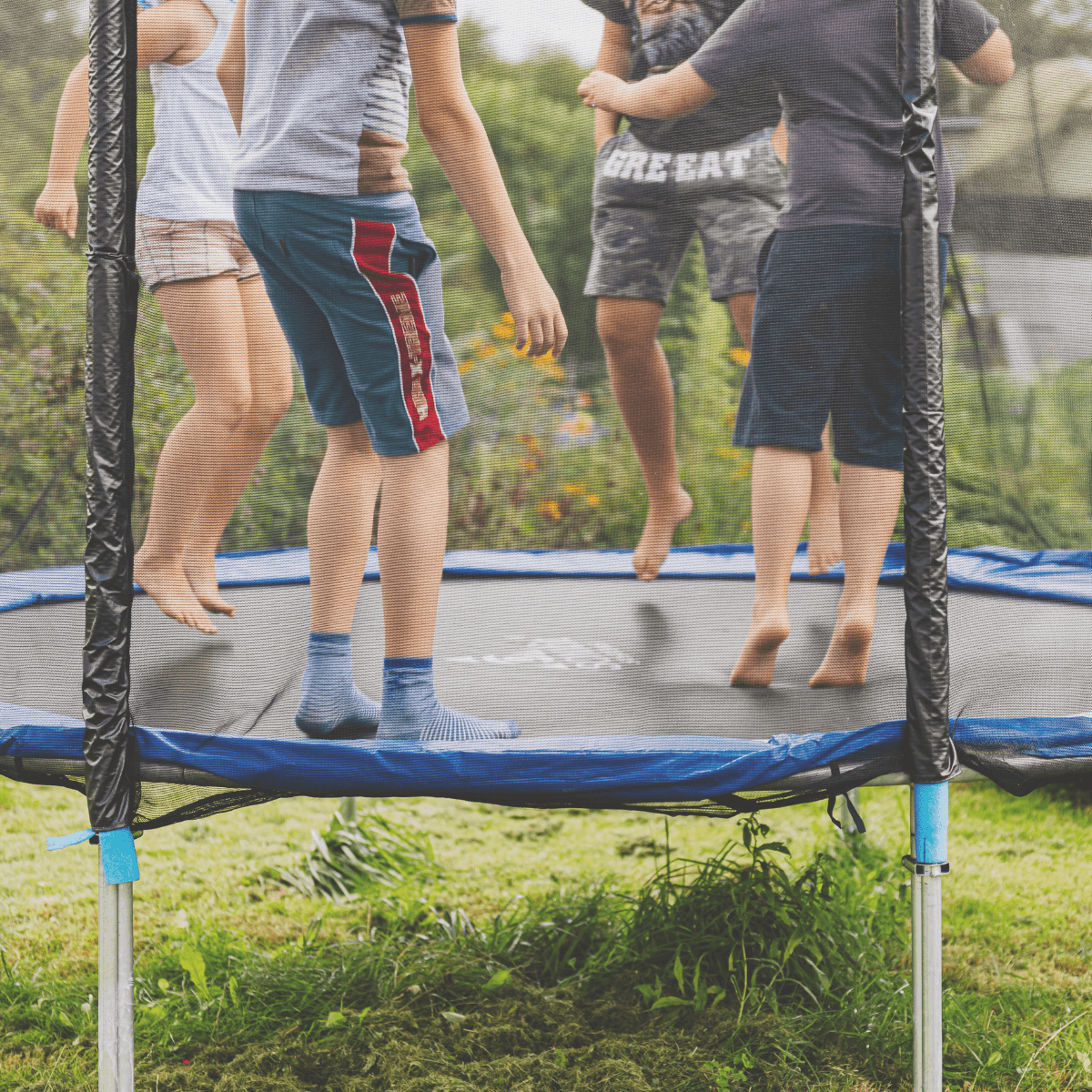
Your kids need white space.
They need time when nothing is scheduled.
Time to play.
Time to rest.
Time to pursue their own interests.
Time to be bored.
Time to wander around outside.
Time to figure something out without an adult directing every minute.
And honestly, you need white space, too.
If every minute of your homeschool day is accounted for, there is no room for the unexpected.
And there will always be something unexpected.
Someone needs extra help with math.
Someone has a meltdown.
You get a phone call.
The toddler needs you.
Everyone is just having a hard day.
White space gives you room to breathe.
So when you’re planning your homeschool year, don’t just ask, “What should we add?”
Ask:
“What can we leave open?”
🎧 Prefer to listen? Hear the full conversation on the podcast.
4. Relationships and Everyday Skills Over Curriculum
This one can be hard to remember when we’re staring at a pile of curriculum we’ve spent money on.
But our kids are going to learn so much more than what’s in those books.
They’re learning how to communicate.
How to solve problems.
How to take care of themselves.
How to contribute to the family.
How to interact with siblings.
How to manage frustration.
How to help around the house.
How to cook.
How to clean.
How to take responsibility.
And they’re building a relationship with us.
Those things matter.
Sometimes we can get so focused on getting through the curriculum that we miss what’s happening right in front of us.
Maybe your child needs to learn how to make their own breakfast more than they need another worksheet.
Maybe you need to spend some time working through a sibling conflict instead of rushing everyone back to the math lesson.
Maybe your family needs a slower afternoon together.
That doesn’t mean academics don’t matter.
They do.
But curriculum is a tool. It isn’t the entire purpose of homeschooling.
If we have to choose between checking every box in the curriculum and investing in the people sitting around our table, I want to remember what I’m actually homeschooling for.
5. Find Ways to Make Your Day Special at Home
This doesn’t have to be complicated.
You don’t need to plan an elaborate field trip or spend a bunch of money.
Sometimes it’s as simple as making your ordinary homeschool day feel a little different.
Have a special breakfast.
Eat lunch outside.
Put on music.
Have hot chocolate while you read aloud.
Take school outside.
Have a pajama day.
Bake something together.
Go for a walk.
Let your kids choose something fun to do.
I think these little things matter because homeschooling is our everyday life.
There are a lot of ordinary days.
And if we’re always waiting for the field trip or the special event or the vacation to make memories, we’re going to miss the beauty of the ordinary.
You don’t have to make every day magical.
Please don’t put that pressure on yourself.
But look for little ways to make your days enjoyable and memorable.
Sometimes it’s the simple things our kids remember.
6. Prioritize Community—Especially With Other Moms
Homeschooling can be isolating.
And I don’t think we were meant to do this completely alone.
Our kids need community, but we need community, too.
Especially other moms who understand what it’s like to homeschool.
Because there are some things that are hard to explain to someone who has never homeschooled.
The curriculum decisions.
The constant togetherness.
The sibling dynamics.
The questions about whether you’re doing enough.
The days when everyone melts down before lunch.
The days when you wonder if this is actually working.
Having other homeschool moms who can say, “Yep. Me too,” can make a huge difference.
So as you’re planning your homeschool year, don’t just put your kids’ activities on the calendar.
Think about your community, too.
Where can you connect with other homeschool moms?
Who can you call when you’re having a hard day?
Where can your kids build relationships?
Maybe it’s a co-op.
Maybe it’s a church group.
Maybe it’s a homeschool park day.
Maybe it’s just two or three other moms you meet with regularly.
It doesn’t have to be a huge group.
But having people in your corner matters.
Your Homeschool Doesn’t Have to Look Like Last Year
If you’re starting a new homeschool year and things feel different, that doesn’t automatically mean something has gone wrong.
Your homeschool is changing because your family is changing.
And that’s okay.
Instead of trying to recreate last year’s homeschool, take some time to look at the season you’re actually in.
Maybe your family needs slower mornings.
Maybe your kids need more practice with routines.
Maybe you need to protect white space.
Maybe everyday skills need more attention.
Maybe you need to make ordinary days a little more fun.
Maybe you desperately need some homeschool mom friends.
You don’t have to do everything at once.
And you certainly don’t need to have the perfect curriculum lineup before you start.
Start with your family.
Look at what they need.
Look at what you need.
Then build your homeschool around that.
Because there is no normal homeschool.
There is no perfect homeschool.
And what worked last year may not work this year.
That’s not failure. That’s homeschooling a growing, changing family.